What Four Years Filming for GTCO Taught Us About Food on Camera
A live festival is not a staged set. Everything moves and time is always short. Here is what filming food and drink for GTCO has taught us about food videography in Lagos.

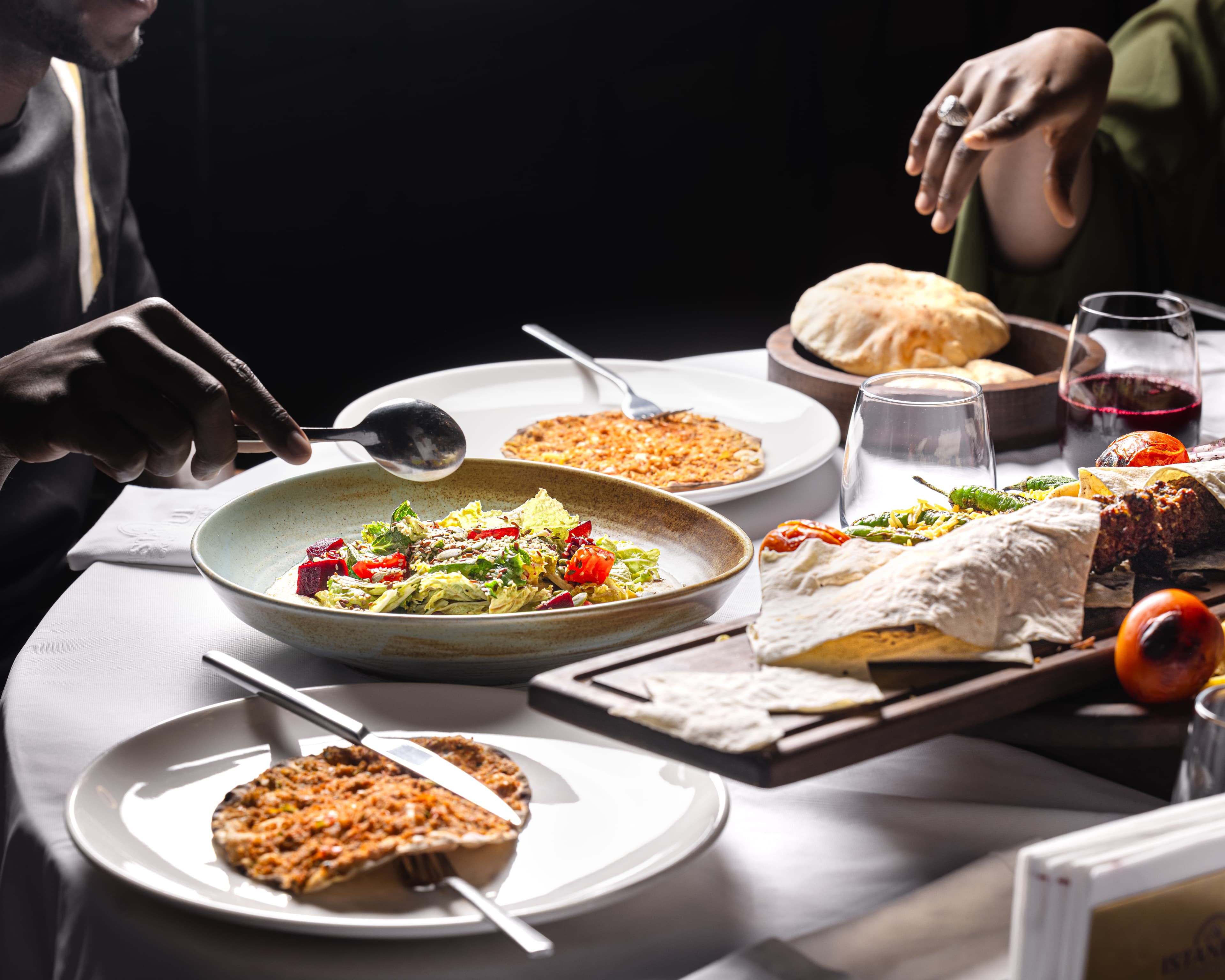
For about four years, Zahn Studios has filmed food and drink content for GTCO, including coverage around the GTCO Food and Drink Festival in Lagos. The festival held its ninth edition this year, from 1 to 3 May 2026 at the GTCentre in Oniru, with more than 200 vendors, free entry and masterclasses led by chefs from Nigeria and abroad. It is one of the biggest food events on the continent, and filming it has taught us more about food on camera than any studio shoot.
A live set is not a staged set
The hardest thing about filming at a festival is that nothing waits for you. In a studio, we can reset a plate ten times until the steam rises at the right moment. At the festival, every part of the set is moving. Vendors are serving real customers, chefs are cooking to a schedule, crowds walk through the frame, and the light changes as the afternoon goes on. Time is the constraint on every shot.
That changes how we work. We plan the story before the day, but we film like documentary makers once we are there. We watch a stall for a few minutes before we lift the camera, so we know when the suya comes off the grill or when a chef will plate up. Then we get the shot once, properly, and move on.
Small crews move faster
Big camera rigs do not work in a crowd. On festival days we keep the crew small and the kit light, usually a Sony FX3 on a gimbal or handheld, a second shooter, and sound. A smaller footprint means vendors and guests relax around us, and relaxed people give you honest moments on camera. A cook laughing with a customer is worth more than any posed hero shot.
Sound matters as much as the picture
Food films live or die on sound. The crackle of oil, a knife on a board, the hiss when pepper sauce hits a hot pan. Festival grounds are loud, so we record close sound on the food itself whenever we can, separate from the crowd noise. In the edit, Chika Ezemeh layers that close sound back under the music, and it is what makes a viewer feel hungry.
Masterclasses need a different approach
The masterclasses are closer to a controlled set, but they are still live. When we filmed Aldo Zilli's session at GTCO 2024, the chef was cooking for a full audience, not for our lenses. We place one camera wide on the whole demonstration and keep a second camera tight on hands and pans. That way we never miss a step, and the edit has the detail shots that make a recipe easy to follow.
Street food tells the real story
Some of our favourite GTCO work has nothing to do with the festival grounds. For the Street Food film and Bole and Fish, we went to the people who cook these dishes every day to learn first. Roadside cooks have a rhythm that you cannot stage. The best thing a crew can do is stay out of the way and be ready.
What brands can take from this
If you are planning to film at an event, a few lessons carry over to any brief:
Agree the must-have shots before the day, and accept that the rest will be found on the ground.
Keep the crew small enough to move through a crowd.
Budget for close sound as well as pictures.
Film the people behind the food. Viewers remember faces.
Food is the work we know best, and live events are where we have learned the most about it. If you have a festival, launch or food event coming up, talk to us about filming it.